How Healthy Horse Pasture Can Reduce Long-Term Costs
Updated: Jul 17

Every horse owner knows that keeping horses isn't cheap. Hay prices fluctuate, feed costs continue to rise, paddocks become muddy in winter and dry out in summer, while fertilisers, reseeding and pasture repairs can quickly add to the annual bill.
Some of these costs are unavoidable. Others are symptoms of grazing systems that are struggling to function as healthy ecosystems.
Healthy horse pasture isn't simply about producing more grass. It's about creating resilient grazing systems that support healthier soils, more diverse forage and stronger plant communities. Over time, that can help reduce the need for repeated interventions while supporting horse welfare at the same time.
Improving pasture isn't an overnight fix, and it won't eliminate every expense. However, investing in soil health and good grazing management often delivers benefits that continue for many years.
Healthy Horse Pasture Produces More Usable Forage
Healthy soils support healthier plants.
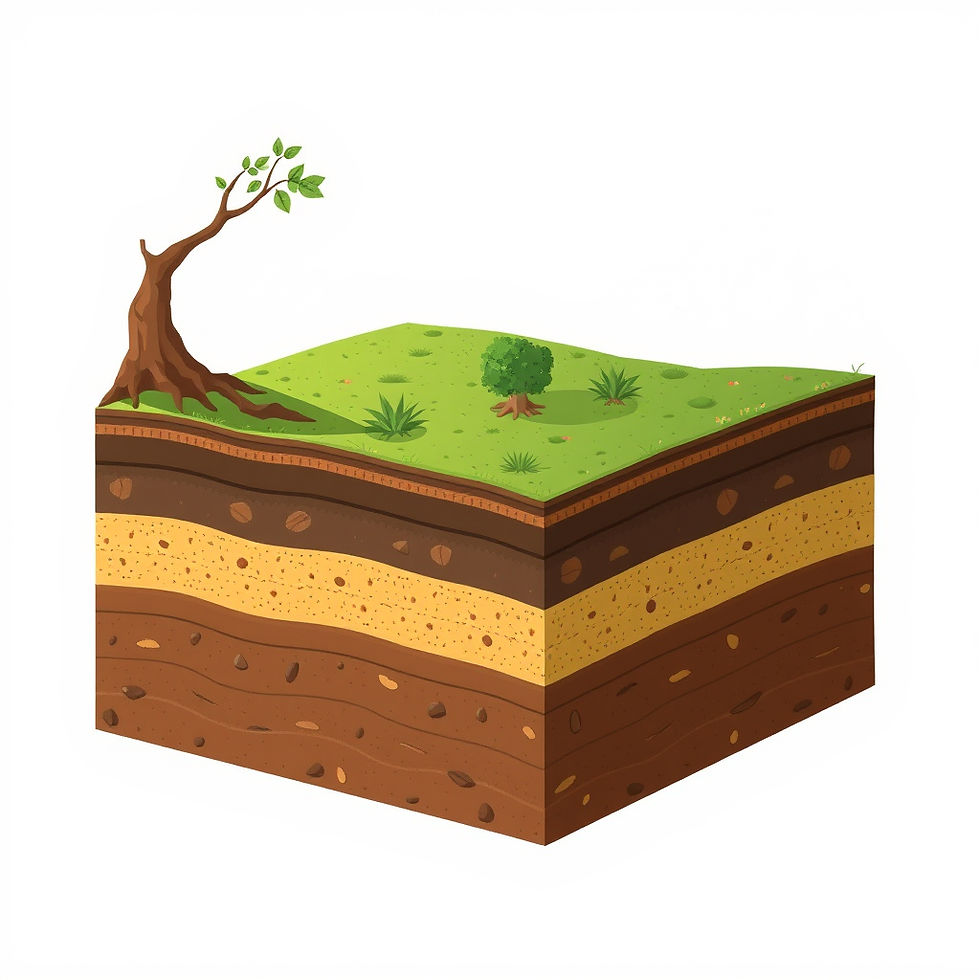
When pasture has good soil structure, adequate organic matter and appropriate recovery between grazing periods, diverse swards develop deeper root systems that are better able to access water and nutrients. This helps pasture recover more quickly after grazing and remain productive for longer through the growing season.
More resilient pasture won't remove the need for hay during periods of slow grass growth, but it may help extend the grazing season and reduce reliance on purchased forage over time.
Healthy Horse Pasture Reduces Expensive Problems
Many of the costs associated with horse paddocks are linked to declining soil function.
Compacted soils absorb less rainfall, increasing mud and surface runoff during winter while drying out more quickly during summer. Overgrazing weakens plants, creating bare ground that encourages weed invasion and often leads to repeated reseeding.
By improving soil health and allowing pasture adequate recovery, many of these problems become less severe over time.
Healthier grazing systems can help reduce:
Bare patches and weed invasion
Mud and poaching
Surface water runoff
The need for repeated pasture repairs
Long-term pasture deterioration
Diverse Pasture Provides More Than Grass Alone
Grass forms the foundation of most horse diets, but species-rich pasture offers far greater botanical diversity than grass alone.
Different grasses, herbs, legumes and wildflowers each contribute their own combination of fibres, minerals and phytonutrients. These naturally occurring plant compounds are increasingly recognised for their interactions with the gut microbiome and their potential to support normal physiological function.
Increasing botanical diversity doesn't replace the need for appropriate feeding or supplementation where required, but it can strengthen the nutritional foundation of the grazing system itself and encourage more natural foraging behaviour.
Better Water Management Saves Money
Healthy soils behave differently from compacted soils.
As soil organic matter increases and plant roots develop more deeply, rainfall infiltrates the soil more effectively instead of running across the surface. This helps reduce winter mud while storing more water for plants during dry periods.
Improved water infiltration can reduce pressure on gateways, tracks and heavily used areas, helping maintain healthier pasture throughout the year.
Work With Nature Rather Than Against It
Many traditional pasture management practices rely on repeated external inputs.
Healthy grazing systems instead rely more on natural ecological processes.
Deep-rooted plants recycle nutrients from deeper soil layers.
Organic matter feeds soil organisms that gradually release nutrients back to plants.
Greater plant diversity supports healthier soils, while healthier soils support healthier plants.
Rather than continually correcting problems, good pasture management helps prevent many of them developing in the first place.
Investing in Your Pasture Is Investing in Your Horse
Improving horse pasture isn't about creating the perfect field overnight.
Every improvement, whether reducing overgrazing, improving soil health, increasing plant diversity or planting hedgerows, strengthens the whole grazing system.

Over time this can help create:
More resilient pasture
Better soil structure
Greater botanical diversity
Improved wildlife habitat
Healthier forage
Reduced reliance on repeated interventions
Healthy soils support healthier plants.
Healthier plants support healthier horses.
Healthy grazing systems often become easier and more economical to manage because the land is working with you rather than against you.
If you'd like to understand how soil health, grazing management and pasture diversity work together, our educational courses explain the science behind resilient horse pasture.
If you're ready to increase botanical diversity, our Biodiverse Grazing Mix
for Horses provides a simple starting point for most horse owners, while our Wildflower Grazing Mix for Horses can be used to introduce greater diversity into existing grassland.
Frequently Asked Questions
Can improving horse pasture reduce feed costs?
Potentially. Healthier pasture can produce more usable forage and greater botanical diversity, which may reduce reliance on purchased forage for some horses. However, many horses will still require supplementary forage or feed depending on the season, workload and their individual nutritional needs.
Does healthy pasture reduce mud?
Healthy soils with good structure absorb more rainfall and support stronger root systems, helping reduce mud and poaching. Grazing management, stocking density and weather also influence how muddy a paddock becomes.
Can better pasture reduce hay use?
Where grazing is well managed and growing conditions are favourable, healthier pasture may extend the grazing season and reduce the amount of conserved forage required. Most horses will still need hay or haylage during periods when grass growth is limited.
Is improving horse pasture expensive?
Not always. Many improvements, such as reducing overgrazing, allowing pasture to recover and improving soil health, rely more on management than major financial investment. Larger projects, such as mechanical aeration, reseeding or planting shrubs as hedges for fencing, often provide benefits over many years.
Which seed mix should I choose for my horse pasture?
For most horse owners, our Biodiverse Grazing Mix for Horses is the best place to start. It has been developed as an all-purpose grazing mix for equestrian pasture, combining carefully selected grasses, legumes, herbs and horse-safe wildflowers to increase botanical diversity while supporting resilient grazing systems.
If your pasture already has a healthy grass sward and you simply want to introduce more species in targetted areas, our Wildflower Grazing Mix for horses is designed specifically for overseeding existing pasture.
Both mixes have been developed specifically for horses rather than livestock production, allowing you to choose the approach that best suits your land and management goals.


Comments